
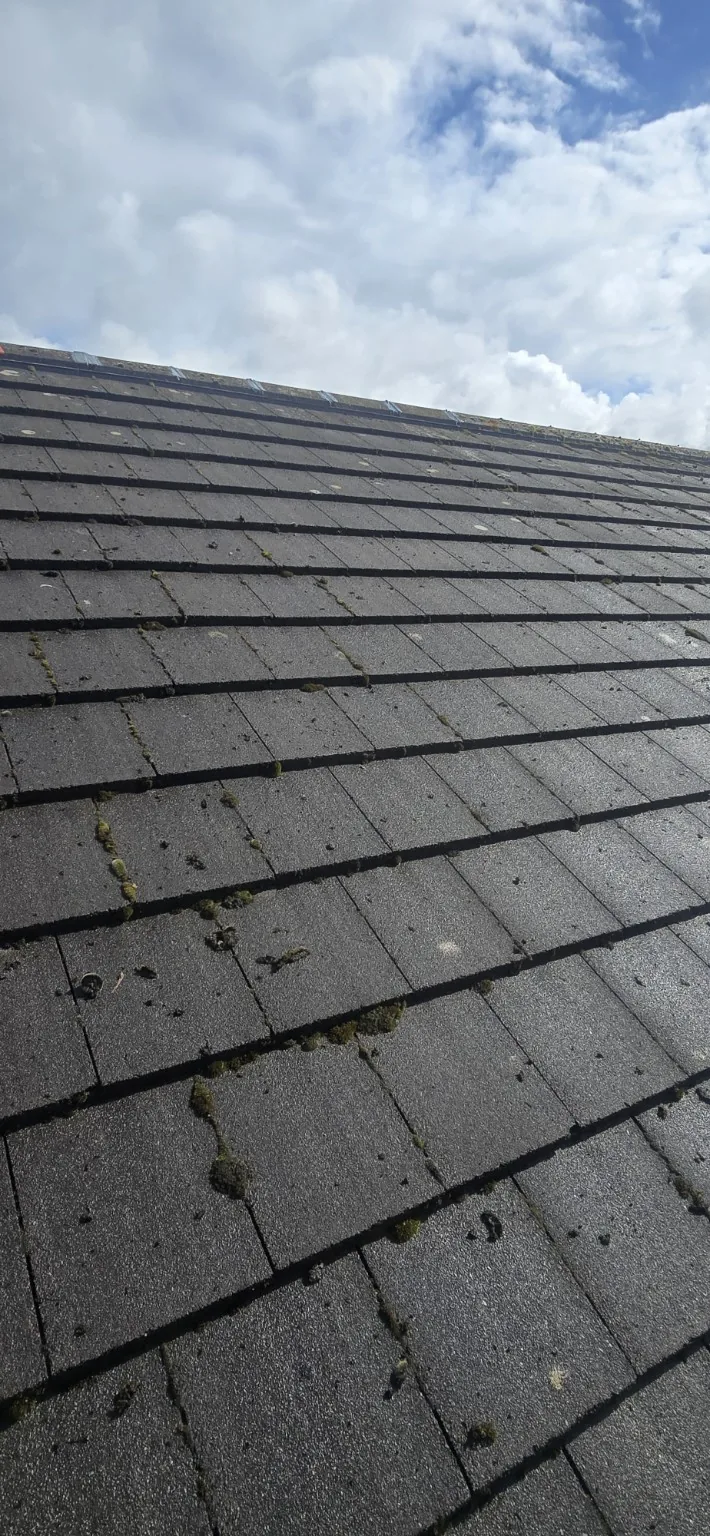
Treat the source and the damage as one repair programme
Storm-related water ingress can create two connected jobs: a defect at the roof or exterior and damage to ceilings, walls or floors inside. Premier coordinates the agreed external repair with strip-out, drying and reinstatement so the interior work follows the source repair.
We take enquiries across Lancashire and Greater Manchester for homes, managed buildings and commercial premises. Tell us about the visible damage, any temporary work and whether an insurer or surveyor has already issued findings.
Start with safe access
Send photographs taken from a safe position; you do not need to climb onto a roof or enter a damaged loft to show us the problem. Keep clear of loose materials and unsafe ceilings. Height, weather, structural condition and access arrangements influence the next step.
The ABI advises contacting the insurer promptly and discussing necessary temporary repairs. Retain receipts and record what was done. Temporary protection and the permanent repair are separate stages to identify in the instruction.
The external repair
We discuss the reported roofing or building defect, the findings available and the work needed within the agreed scope. Safe inspection may be needed before the cause, repair method and price can be confirmed. A photograph of the visible damage may not reveal the full condition.
If another contractor has already attended, tell us what was repaired and what remains temporary. Any requirement for access equipment or additional assessment needs to be included before attendance is programmed.
From water ingress to reinstated interiors
Premier provides the strip-out, drying solutions and building repairs needed inside as well as the agreed external work. This can include ceilings, plaster, joinery, floor finishes and decoration, with kitchens or bathrooms included where affected.
New finishes follow the necessary preparation and drying. The scope should identify materials to retain, areas to replace and the intended finish at the junction between new and existing work. Our project photographs show examples of external investigations and internal reinstatement.
Facts that help an insurance-related instruction
Record when the problem first appeared, the rooms affected and any known earlier defects. Describe what you observed without assuming the weather proves the cause. The ABI explains that insurers consider whether a storm caused damage or exposed an existing weakness.
Share the survey or insurer’s repair schedule. Premier can quote the proposed works, while the insurer decides cover. If opening-up changes the scope, identify who can approve the additional work and how the revised instruction will be recorded.
Managing cost, access and disruption
External access and the condition of the building can be significant cost factors. The internal repair depends on the spread of water, the materials affected and the specification. Together these determine a useful quotation rather than a price based only on the most visible defect.
For occupied or managed premises, tell us about working-hour restrictions, deliveries, shared routes and access to other units. Weather may affect safe external work. These dependencies should be visible in the programme from the start.
Your questions answered
Can you repair the roof and the internal damage?
We can provide the agreed external repair and the strip-out, drying and reinstatement inside. The property assessment establishes the scope and any separate specialist requirements.
Can you attend immediately after a storm?
Call 0330 633 0025 to discuss availability and the immediate concern. Safe access and weather affect attendance; submitting a form does not confirm an emergency visit.
What information should I send?
Use the damage-report form with the postcode, visible external and internal damage, safe photographs and any earlier findings. Organisations can use professional enquiries.
Prepare for your repair enquiry
Bring a clearer record of the damage, responsibilities and work you want assessed.